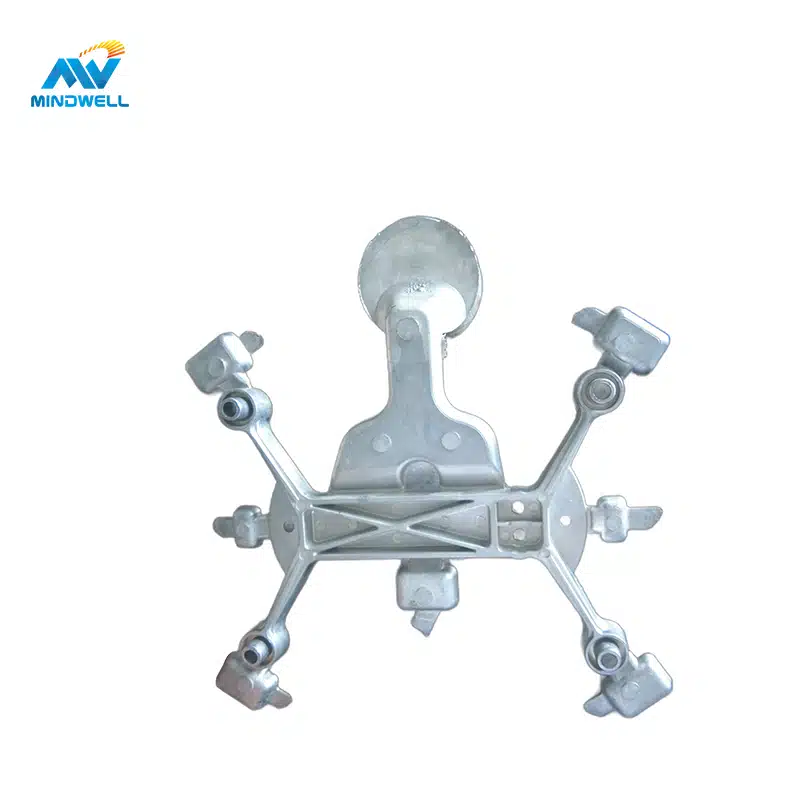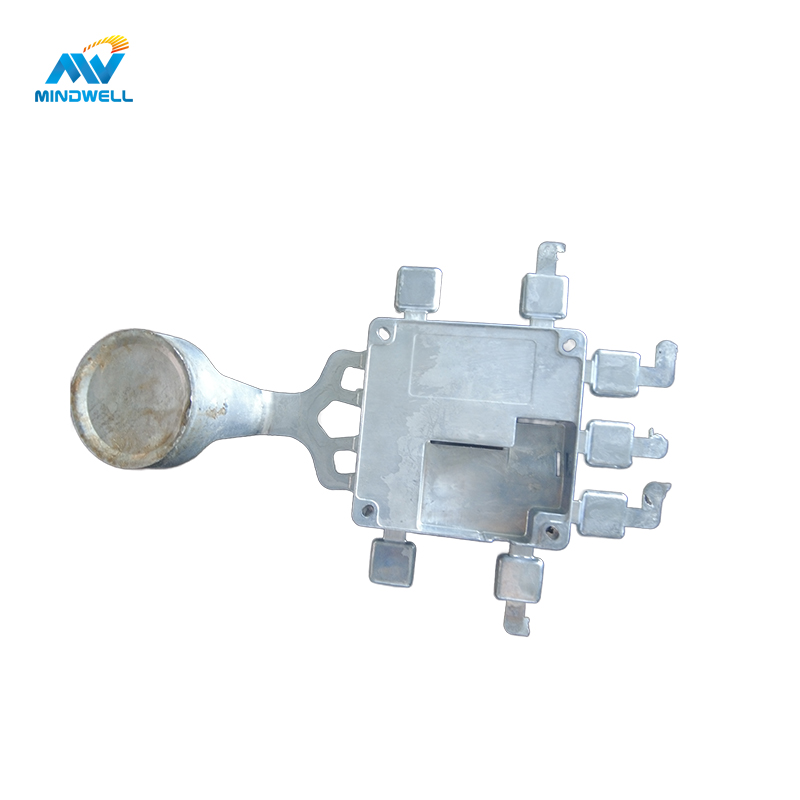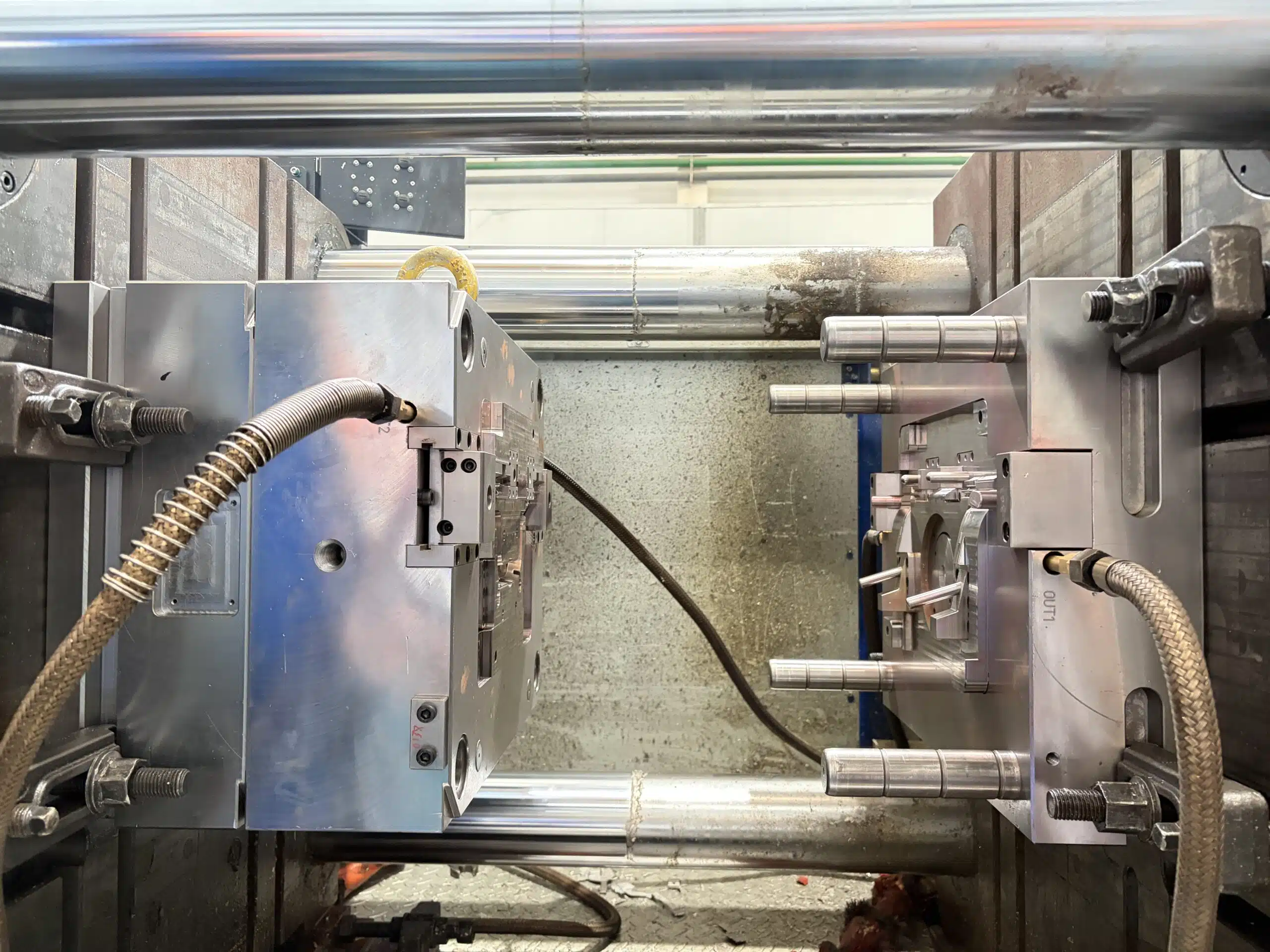
Short answer: A cetakan die casting (die) is the hardened tool that forms molten metal under high pressure into a near-net-shape part—controlling cavity geometry, gating, venting, and much of the thermal balance of each shot.
At MINDWELL we design and manufacture these dies in-house for Al / Zn / Mg HPDC, then try them out on cells up to 1600T (LK).
CTA: service@mnwell.com · Kontak
Process
- Part design + DFM
- Mold design (parting, gates, cooling, slides)
- Mold manufacturing (machine / EDM / grind)
- Tryout on die casting machine
- Production casting + secondary ops
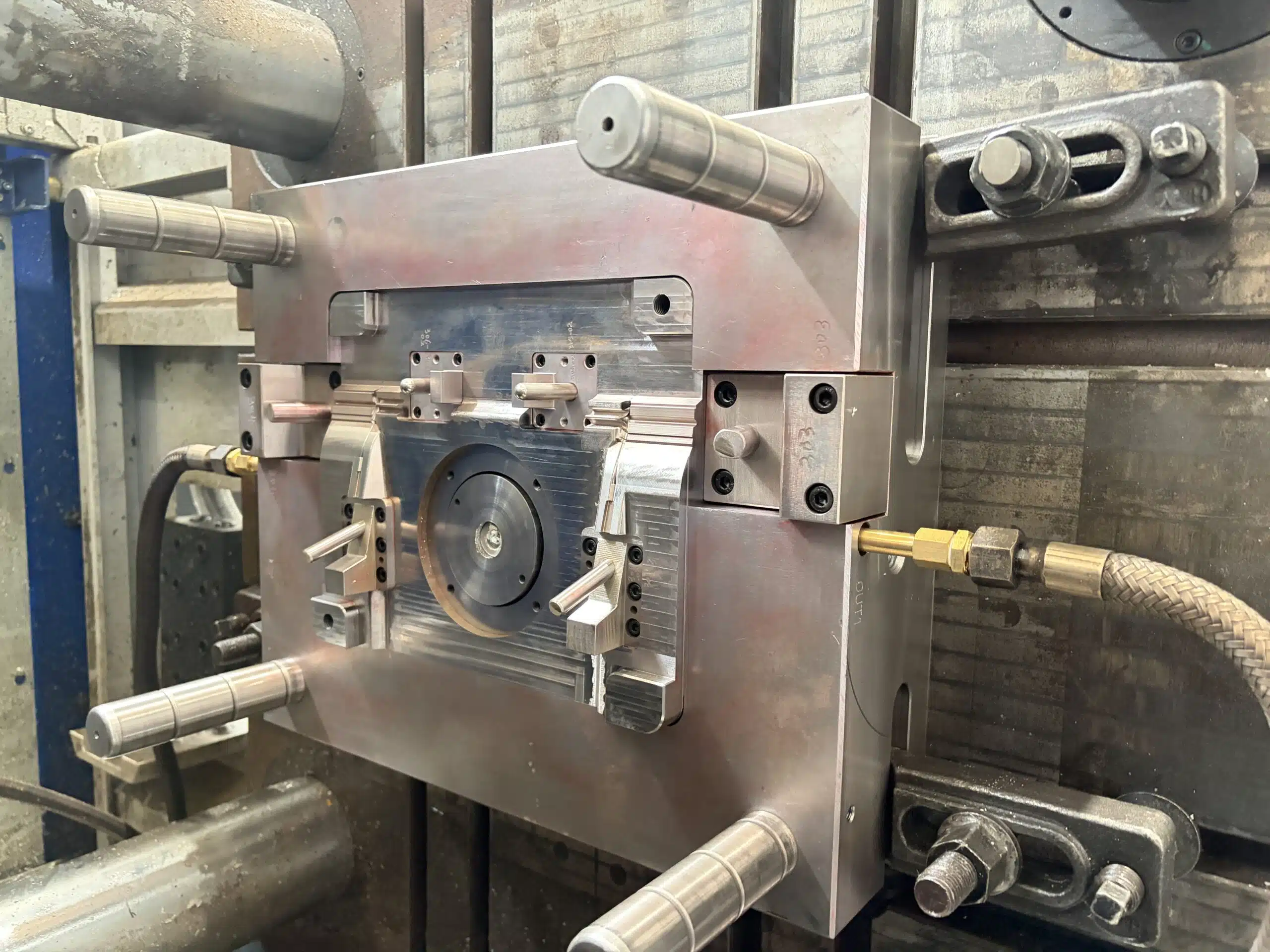
Detail services: Desain cetakan · Mold manufacturing · Die casting mold product
Material
- Tool: hot-work die steels selected per alloy & volume (mold steel per RFQ).
- Cast alloys the die serves: aluminum, zinc, magnesium.
Applications
Any HPDC part that needs repeatable cavity geometry—housings, brackets, covers, heat-sink class shapes—once volume justifies tooling.
Specifications
| Item | Public statement |
|---|---|
| Definition | Production tool for HPDC cavity + gating |
| MINDWELL | In-house design & manufacture; precision grinding |
| Press context | Up to 1600T (LK) |
| Alloys | Al / Zn / Mg |
Why MINDWELL
- Plain definition engineers can quote.
- Clear next step into MINDWELL design/manufacture pages.
- Mg included in tooling scope.
PERTANYAAN YANG SERING DIAJUKAN
Q: Fixed half vs moving half?
A: Typical dies split into cover (fixed) and ejector (moving) halves mounted on the machine platens; slides/cores add motion for undercuts.
Q: Is the mold the same as the casting machine?
A: No. The machine supplies force and injection; the mold is the custom tool.
Q: Who owns the mold?
A: Per contract / PO—clarify before kickoff.
Q: Magnesium dies differ?
A: Thermal and fill practice differ; see Magnesium alloys.
Q: Lead time for a new die?
A: Lead time quoted after DFM; we do not publish fixed week counts.